
There’s a certain joy in pulling up to a house that just looks right. It’s the texture, the color, the contrast. That feeling of “Wow, that works.” And if you’ve been dreaming of creating that same curb appeal at your own place — but aren’t into cookie-cutter siding or flat, uninspired walls — you’re not alone.
Faux rock siding offers a simple way to shake things up. But here’s the thing: it doesn’t have to work alone. In fact, it looks even better when mixed with other materials. Think wood, metal, stucco — even sleek modern panels. Combining textures is how you make your home feel customized. Like someone actually thought about the details instead of just checking boxes off a builder-grade blueprint.
So if you’ve been toying with the idea of mixing materials but aren’t quite sure how to pull it off, this one’s for you.
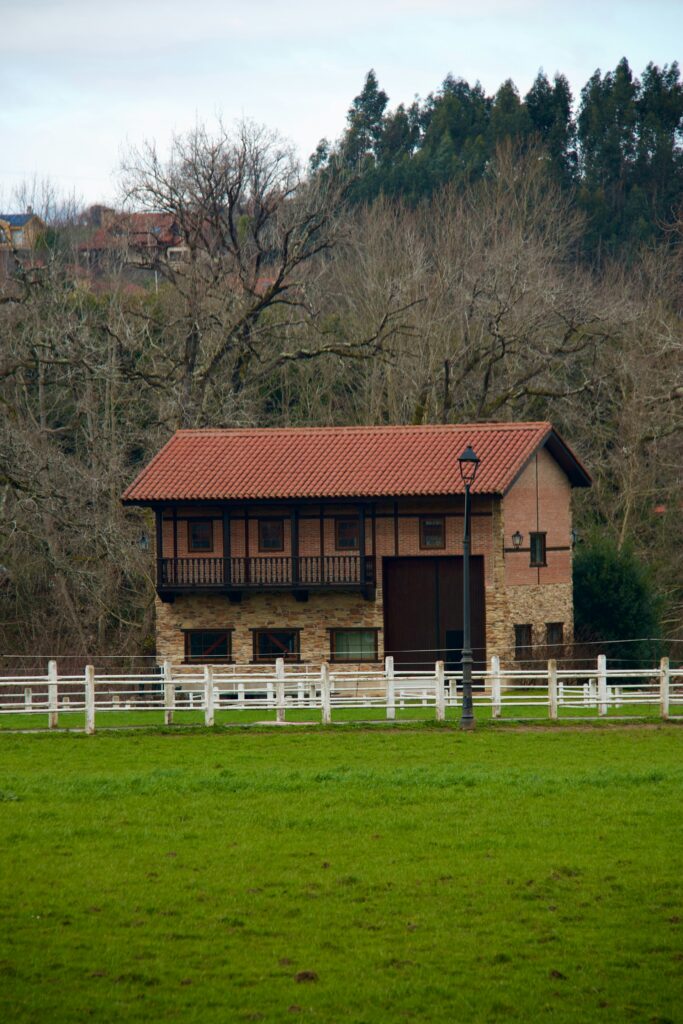
Why Texture and Contrast Make All the Difference
Before we get into the fun stuff — where to put what — it’s worth talking about why material mixing works so well.
Most new builds stick to one type of siding. It’s simple. Safe. And honestly, a little forgettable. But adding layers of texture? That’s how you create depth. Visual rhythm. A little tension between hard and soft, warm and cool.
Faux rock siding brings an earthy, grounded feel. Pair that with wood, and you’ve got rustic charm. Throw in black metal accents and suddenly it leans modern. Add creamy stucco, and you’ve got something warm and Mediterranean.
It’s about balance. Contrast. Making materials play off each other in ways that feel fresh but still cohesive.
Pairing Faux Rock Siding with Wood
Let’s start with a classic: stone and wood. These two have been teaming up forever, and for good reason. Stone brings strength. Wood brings warmth. Together, they feel timeless.
Try using faux rock siding on the lower third of your exterior walls — like a wraparound base — and then transition into vertical wood siding or tongue-and-groove planks above. Cedar works beautifully here. Especially if you let it weather to that silvery gray. Or go dark with stained pine for something a little moodier.
This combo shines on homes with gables, porches, and plenty of natural surroundings. But even in a suburban neighborhood, it can give your home that custom-built look you usually only see in model homes or magazines.
Mixing with Metal: Industrial Edge, Minus the Cold
Now let’s take a turn. Pairing faux rock siding with metal siding or trim might not sound obvious — but trust us, it works.
Stone has this natural, imperfect texture. Metal? It’s sharp, clean, and a little edgy. When you use the two together, you get a look that’s modern without being cold.
Think matte black metal trim around windows. A corrugated metal accent wall on the garage. Or even just black soffits and gutters to frame everything out. The stone softens the metal. The metal sharpens the stone. It’s kind of like jeans and a leather jacket — unexpected, but cool.
This pairing especially suits modern farmhouse, industrial, and urban-inspired homes. Bonus points if you throw in concrete or raw wood to really round out the palette.
Stucco and Stone: Warm and Sophisticated
If your vibe is more classic or Mediterranean, mixing faux stone with stucco is a winning move. Stucco gives you a smooth, soft surface that plays beautifully with the rougher, shadowed lines of faux stone.
Use stucco for most of the house, then frame doorways or accent corners with stone veneer panels. Or do the opposite — go bold with a large stone front-facing wall and use stucco to keep the rest clean and minimal.
Colors matter here. Keep things warm. Taupes, off-whites, sandy browns. You want the materials to feel like they belong in the same family — even if their textures don’t match.
This combo works well in almost any climate, but it’s especially at home in areas with lots of sun, neutral landscaping, and warm-toned roofing.
Concrete and Faux Stone: Sleek Meets Raw
Here’s one that might surprise you: faux rock siding paired with poured concrete.
Now, we’re not talking full commercial building vibes. This works best when concrete is used sparingly. Maybe it’s a walkway. Maybe it’s a feature wall. Maybe it’s used for outdoor stairs or planters near your porch.
What you’re doing is layering clean, solid surfaces (the concrete) with something more detailed and organic (the faux rock). It’s a great way to keep things feeling modern without being sterile. And it photographs really well — if that matters to you.
Just keep the lines clean and resist the urge to overdo it. Let each texture have its moment.
Working with Color: The Secret Glue
No matter which materials you’re mixing, color is the secret glue that ties everything together. The goal isn’t to match — it’s to coordinate.
Look for undertones. If your faux rock siding has warm brown or sandy tones, make sure your other materials echo those. If your stone leans gray or charcoal, cooler-toned woods, metals, or paint colors will help it all blend.
And don’t forget about contrast. You don’t want everything to be the same shade — that’s how you lose the visual drama. Just make sure it all feels like it belongs on the same team.
If you’re unsure? Paint swatches and samples. Hold them up together. Look at them in morning light, afternoon light, even cloudy days. Color shifts throughout the day, and it’s worth waiting to get it right.
Practical Stuff: Where Each Material Works Best
Some quick notes from the trenches:
- Use faux rock wall siding around the base of the home, on columns, or flanking garage doors.
- Let wood dominate upper levels, porch ceilings, or smaller accent walls.
- Use metal for trim, soffits, or contrasting wall planes.
- Keep stucco or concrete for large surfaces that need visual “quiet” between textures.
And wherever possible? Break up large expanses with one or two secondary materials. You don’t need five textures competing. Usually two or three is just right.
Make It Yours
The best exterior designs don’t come from copying a Pinterest board — they come from tweaking things until it feels like you. Don’t be afraid to play around. Try samples. Test colors. Look at your neighborhood and find what stands out in a good way.
Faux rock siding is a great jumping-off point because it brings instant character. You don’t need a lot to make an impact. And when you pair it with the right materials? You’ll end up with an exterior that feels thoughtful. Layered. Personal.
So if your home’s been feeling a little too safe —or a little too much like everyone else’s — this might be the moment to shake things up. Mix the textures. Contrast the tones. Try something that feels bold, but still timeless. Your front porch (and maybe your neighbors) will thank you.
Learn more about faux rock siding here: https://nextstonecanada.com/blogs/news/faux-rock-siding-a-stylish-and-practical-choice-for-your-home
Comments